

As the days grow shorter and the air turns cooler, our older pets often feel these changes more than their younger companions. Just like us, they can become a little stiffer in their joints, a bit more sensitive to the cold, and sometimes a touch slower in their energy. They’ve given us years of love and loyalty, and now it’s our turn to make sure their golden years are filled with comfort and care.
Keeping warm
Keeping them warm is one of the simplest but most important things we can do. A soft blanket in a favourite resting spot, a draught-free corner of the home, or even a heated bed can make all the difference. For those with thinner coats, a cosy jumper or light coat during chilly walks can help them feel snug and protected. Keeping them nice and warm can help ease joint pain they might experience during the colder months.
Keeping active
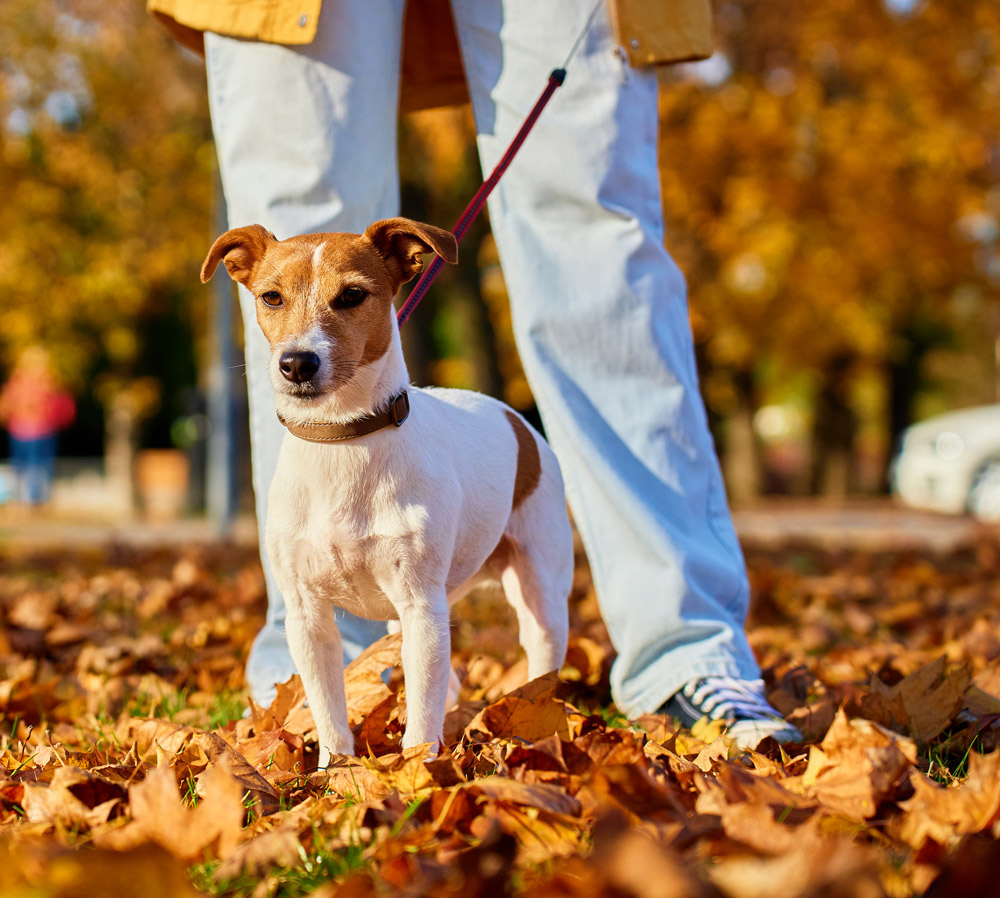
Gentle exercise remains just as important, even if our pets aren’t quite as lively as they once were. Shorter, more frequent walks are often better than longer outings, and letting them move at their own pace makes all the difference. Quiet play indoors can also help keep their bodies supple without putting extra strain on tired joints. Some days they may feel like doing less, and that’s perfectly fine —listening to what they need, and respecting their limits, is one of the kindest ways we can show our love.
Cold weather and joint pain
Joint pain is the most common cause of chronic pain in our pets. Cold weather can often make arthritis more uncomfortable, so watch for signs such as hesitation on the stairs, limping, or needing longer to get up after a rest. If you notice these changes, a word with your vet can open the door to supplements, treatments, or simple adjustments that make life easier for your beloved companion.
Food & nutrition
Food and nutrition also play their part in supporting older pets through the seasons. They may need fewer calories if their activity has slowed, or supplements to help ease aching joints. Although it can be tempting to spoil our senior pets with extra treats, keeping them at a healthy weight is one of the greatest gifts we can give them as they grow older. Carrying less weight helps ease the strain on their joints and can keep them more comfortable and mobile for longer. With so many diets on the market, it can sometimes feel like a bit of a minefield, but a good rule of thumb is to choose a complete food designed for their life stage — for example, a senior diet. If your pet is already at a healthy weight, feed according to their current size; if they could do with slimming down a little, feed to their target weight instead.
A healthy coat provides natural warmth, and gentle grooming is a lovely way to show care. Regular brushing not only keeps the coat in good condition but also strengthens the bond between you and your pet, offering them the calming reassurance of your touch. For pets who enjoy time outdoors, a quick check and a gentle dry-off after a walk can help keep them comfortable, as cold, damp conditions often make arthritis more troublesome.
It’s also worth remembering that changes in grooming habits can sometimes be a sign of joint discomfort or pain. If your pet begins grooming a particular area more than usual; for example, over a stiff or sore joint, they may be trying to soothe the ache. On the other hand, if you notice matting in a pet that was previously well-groomed (especially in cats), it may be because turning and reaching certain spots has become too painful. Watching for these subtle changes can help you recognise when they may need a little extra support
Regular check-ups
Regular check-ups are a thoughtful way to catch small problems before they become bigger ones, and they’re especially important as our pets grow older. A routine visit to the vet not only provides peace of mind but also helps to ensure your pet stays as comfortable and healthy as possible during the cooler months. Aches and pains can creep in quietly with age, and supporting their comfort in later years is one of the kindest things we can do for them. Even the most subtle changes, things that might seem minor at first, can be more significant than we realise, so it’s always worth mentioning them to your vet.
Perhaps most importantly of all, this season gives us the chance to slow down with our pets and simply be with them. As they age, they often crave not just warmth, but closeness and reassurance. Sharing a cosy space, offering gentle strokes, and being present with them is a gift they cherish more than anything.
Helping senior pets adjust to cooler days is about more than just keeping out the chill, it’s about wrapping them in warmth, both physical and emotional. By noticing their changing needs and responding with kindness, we not only keep them comfortable, but we deepen the bond of love and trust that has carried us through the years together