

The start of a new year is a gentle reminder that each day is an opportunity to care for those we love most. For pet parents with senior companions, this time can be both joyful and bittersweet. Ageing brings wisdom, love, and comfort, but it can also bring new challenges. Our older pets may move more slowly, sleep longer, or need extra care, and it’s up to us to ensure that their golden years are as happy, healthy, and comfortable as possible.
Small, intentional habits can make a meaningful difference in their quality of life. Even tiny adjustments can bring them joy, comfort, and reassurance. Here’s how you can give your ageing companion a fresh start this year.
1. Gentle exercise: movement with love
As pets age, their bodies change. Muscles may weaken, joints can stiffen, and energy levels naturally decline. Yet gentle, regular activity is essential to keep them mobile and happy.
- Short, leisurely walks or slow-paced indoor play help maintain flexibility and prevent stiffness.
- Low-impact activities – like fetch with soft toys, swimming (for dogs who enjoy water), or indoor scent games for cats – engage both mind and body.
- Always pay attention to their comfort. If they slow down or seem tired, let them rest. Exercise is about enjoyment, not endurance.
Think of these moments as quality time together rather than physical exertion. Every step, every play session, strengthens your bond and keeps them active in a stress-free way.
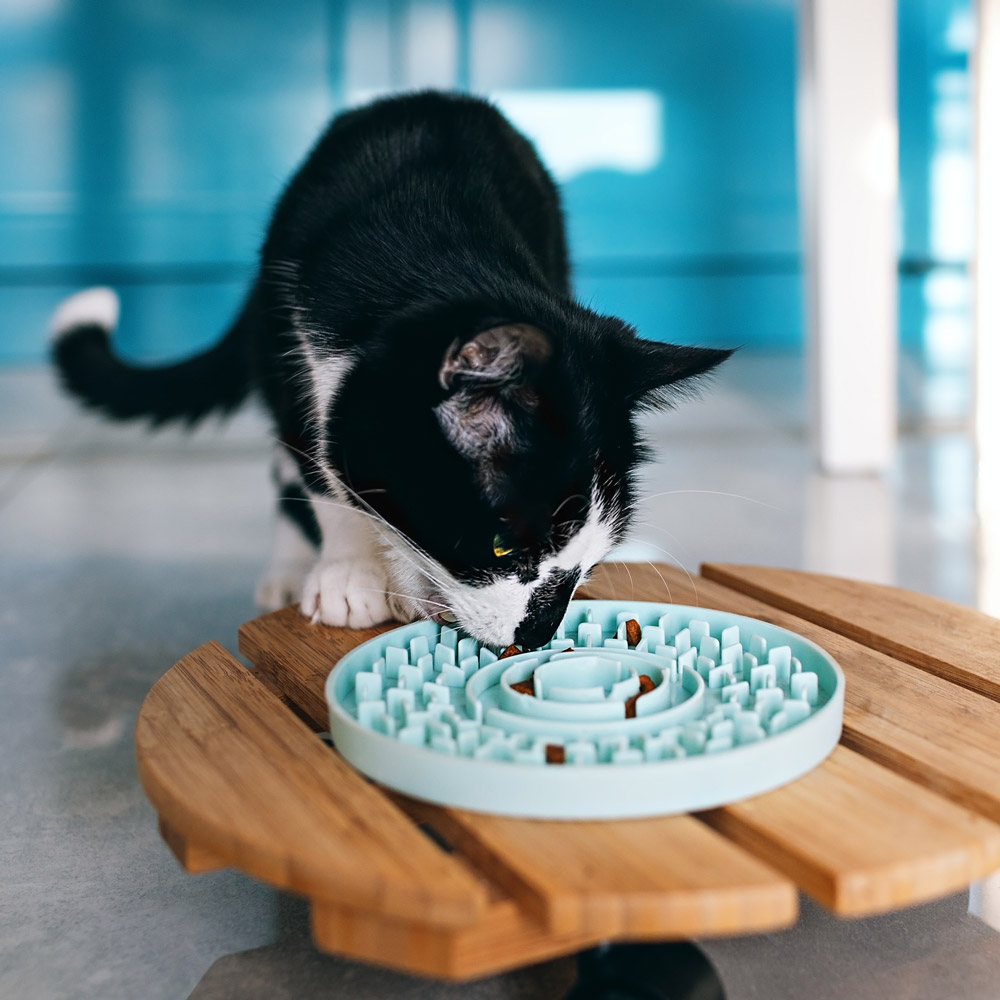
2. Mindful nutrition: feeding their needs with care
Proper nutrition supports healthy weight, joint function, digestion, and energy levels.
- Foods formulated for senior pets are often easier to digest and contain fewer calories. As pets age, they tend to be less active and burn fewer calories than before.
- Maintaining a healthy weight becomes especially important to ease stress on tired joints.
- Some pets benefit from smaller, more frequent meals to prevent digestive discomfort.
Even small adjustments, like warming food or adding a touch of wet food to dry kibble, can make mealtime comforting and enjoyable.
3. Gentle care for achine joints and teeth
As pets age, their bodies naturally slow down, and some discomfort can be hard to notice. Senior pets are masters at masking pain, which is why regular check-ups with your veterinarian are so important. Small, subtle changes (slower walks, hesitating to jump, or favouring softer foods, etc.) can reveal underlying joint or oral pain before it becomes serious.
- Supporting joints: Arthritis and stiffness are common in older pets, but gentle, thoughtful care can make a big difference. You might notice your pet moving a little more slowly or avoiding stairs. This doesn’t mean playtime or walks are over -it just means pacing and comfort matter. Consult your veterinarian about options like supplements, medications, or light activity routines. These steps can keep them moving comfortably, helping maintain flexibility and enjoyment in everyday life.
- Caring for their mouths: Oral health is often overlooked, yet it’s a key part of your pet’s comfort and well-being. Many pets continue eating even when they have dental pain, so look for signs like bad breath, slower eating, or preferring soft foods. Regular dental check-ups, ideally every 6–12 months, and professional cleanings when recommended, can prevent discomfort and make mealtime enjoyable again.
By paying attention to these often-hidden signs and seeking veterinary care when needed, you can help ensure that your senior pet is happy, comfortable, and truly enjoying their golden years.

4. Comfortable living spaces: making every day easier
Thoughtful, accessible environments can greatly enhance your senior pet’s comfort.
- Provide soft, supportive bedding to protect joints.
- Use ramps or pet stairs to help them reach favourite spots without strain.
- Non-slip mats near food, water, and sleeping areas help keep them safe.
Creating cosy, easy-to-navigate spaces shows empathy for their changing needs and communicates, “We see you, we care about you, and your comfort matters.”
Noticing changes in any of these areas doesn’t necessarily mean the end is near — but it can be a gentle nudge to consider adjustments, additional support, or a check-up with your vet to ensure your companion continues to feel safe and happy. Sometimes, though, reflecting on these questions may lead to the realisation that your pet is no longer thriving, and that their days are filled more with struggle than enjoyment. If this is the case, it can be an incredibly difficult truth to face – but choosing to let them go peacefully can also be considered the final act of kindness, sparing them from further suffering. Your vet can guide you with compassion through this decision, helping you do what is best for your beloved friend.
5. Mental stimulation and emotional well-being
Caring for a senior pet isn’t only about physical health. Mental engagement is vital, especially as they may go out less frequently than in their younger years.
- Engage them with gentle training, puzzle toys, or scent-based games.
- Maintain social interactions through calm visits with trusted humans or other friendly pets.
- Share quiet, soothing moments together.
Mental stimulation reduces stress, keeps their minds sharp, and reminds them that life is full of love and attention – even in slower years.
A new year isn’t about dramatic changes, it’s about thoughtful habits and moments of connection so you can make 2026 a year of health, joy, and reassurance for your senior companion. Every small step, every walk, every meal, every quiet cuddle… They’re all a gift of love. Ageing may bring challenges, but it also offers the chance to deepen your bond and ensure your furry friend’s golden years are truly golden.