

Caring for Senior Pet Anxiety: A Gentle Guide for Pet Owners
As our beloved pets grow older, their needs begin to change, and they may face new challenges, including increased anxiety. Just like us, they can experience feelings of unease and uncertainty as they age. Whether it’s due to physical discomfort, changes in their environment, or simply the process of getting older, senior pets often need a little extra care and reassurance.
In this guide, we’ll gently explore why older pets may feel anxious and how we can help them feel safe and comforted in their golden years.
Why Do Senior Pets Feel Anxious?
There are a few reasons why senior pets may start to feel more anxious as they age:
• Cognitive Changes: As pets age, they can experience cognitive decline, similar to dementia in humans. This can make them feel confused, forgetful, or disoriented, which often leads to anxiety as they struggle to understand their surroundings.
• Loss of Senses: Pets who are losing their sight or hearing may feel more vulnerable. Sounds and movements that were once familiar may now seem startling or unfamiliar, which can cause feelings of unease.
• Physical Pain or Discomfort: Many older pets develop conditions like arthritis, which can make everyday movements uncomfortable. This physical pain can contribute to anxiety, especially if they’re unsure how to move without hurting themselves.
• Changes in Routine: Senior pets thrive on consistency and familiarity. Changes in their environment, like moving to a new home, welcoming a new family member, or even rearranging furniture, can disrupt their sense of stability and lead to anxiety.
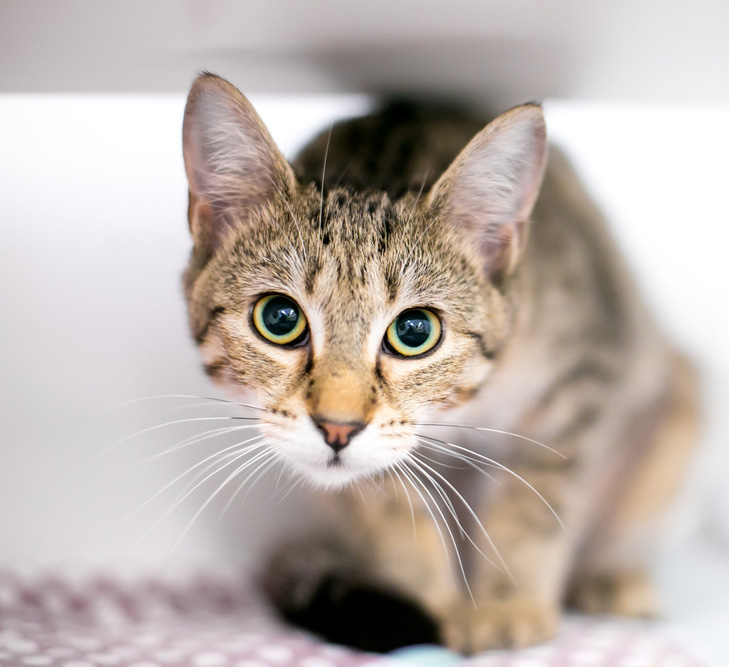
Signs of Anxiety in Senior Pets
It’s important to watch for signs that your pet may be feeling anxious. Some gentle indicators include:
- Restlessness: Pacing or trouble settling down.
- Excessive vocalisation: Barking, whining, or meowing more than usual.
- Destructive behaviour: Chewing, scratching, or trying to escape.
- Hiding: Seeking out quiet, hidden spots to avoid interaction.
- Changes in appetite: Eating less or more than usual.
- Panting or trembling: Signs of nervousness or discomfort
These behaviours might appear gradually, so it’s helpful to observe any changes closely.
Ways to Help Ease Senior Pet Anxiety
1. Keep a Consistent Routine: Senior pets feel most comfortable when they know what to expect each day. Try to maintain a regular schedule for feeding, walks, and rest. This consistency can bring them a sense of calm and security.
2. Create a Safe, Quiet Space: It’s important for your older pet to have a peaceful, cozy spot where they can retreat if they feel overwhelmed. Whether it’s a favourite blanket in a quiet corner or a soft bed in a room away from noise, offering a safe space can help them relax.
3. Use Calming Aids: There are gentle products that can help soothe anxious pets, such as…
• Pheromone diffusers: These release calming scents that mimic a mother’s natural pheromones, offering comfort to both dogs and cats.
• Pressure wraps: Items like ThunderShirts gently hug your pet, providing a calming effect much like swaddling a baby.
• Calming supplements: Natural remedies like calming chews, CBD oil, or melatonin may help, but always consult your vet before trying something new.
4. Gentle, Regular Exercise: Even if your pet isn’t as active as they once were, regular gentle exercise can help release nervous energy and promote relaxation. Short walks or interactive play can make a big difference. For cats, a simple game with a feather toy or wand can be a fun way to engage them.
5. Keep Their Mind Engaged: Mental stimulation can be a wonderful way to ease anxiety. Puzzle toys, treat-dispensing games, or slow-feeding bowls can provide enriching activities that keep their minds busy and help them feel more content.
6. Help Them Cope with Sensory Loss: If your pet is losing their hearing or vision, small adjustments can make a big difference in their comfort. Keeping furniture in the same place or using hand signals instead of voice commands can boost their confidence. A gentle, predictable routine will also help them feel less overwhelmed by changes.
7. Regular Vet Checkups: Sometimes anxiety in older pets is linked to discomfort or underlying health issues. Regular vet visits can ensure your pet’s health is carefully monitored, and any pain they may be experiencing is managed. Your vet might also recommend treatments to help with more severe anxiety.
8. Offer Reassurance: At the heart of it all, your pet needs your love and presence. Spending time with them, offering gentle affection, and simply being there when they’re feeling nervous can provide immense comfort. Sometimes, all they need is a quiet moment by your side or a soft touch to feel secure.
Please note that if your pet’s anxiety feels overwhelming and you’re struggling to soothe them, it may be time to consult a veterinarian or animal behaviourist. They can help pinpoint specific causes and recommend tailored treatments to help your pet feel more at ease.
Final Thoughts
As our pets age, they give us the precious gift of their lifelong companionship, and now it’s our turn to offer them extra care and comfort. By understanding what causes anxiety in senior pets and creating a calm, reassuring environment, we can help our furry friends feel safe and loved during their golden years.
Remember, even the simplest things—like maintaining a routine, offering a gentle touch, and being there for them—can make a world of difference in easing their worries.