

As the weather warms up and we spend more time outdoors with our pets, it’s also prime season for parasites like fleas, ticks, and worms. These little invaders aren’t just a nuisance, they can cause serious health problems for both pets and humans. To keep your furry friend safe and comfortable, here’s a comprehensive guide to parasite prevention.
Why parasite prevention is essential
Parasites thrive in warm, damp environments, making spring and summer peak seasons for infestation. Without proper prevention, pets can be exposed to:
- Fleas: These cause itching, skin infections, and allergic reactions. Severe infestations can even lead to systemic issues, such as anaemia.
- Ticks: Carrying diseases such as Lyme disease, Babesiosis, Ehrlichiosis, and Anaplasmosis, which can be life-threatening.
- Worms: Including roundworms, hookworms, and tapeworms, which affect your pet’s digestive system, and can even impact their lungs and heart.
Many of the parasites our pets can pick up also have the ability to infect humans, which is another reason to ensure adequate prevention.
Flea and tick prevention
Fleas and ticks not only cause discomfort but can also spread dangerous diseases such as Lyme disease, Babesiosis, Ehrlichiosis, and Anaplasmosis. Luckily, you can dramatically reduce the risk of your pets being infected with these unpleasant diseases by keeping up with regular ectoparasite control treatment.
- Use vet-recommended treatments: With so many parasite control options available, it can be challenging to choose the right ones. For the best protection, it’s always advisable to consult your vet, as they will be able to recommend the most suitable flea, tick, and worm prevention options tailored to your pet’s lifestyle and the risks they face. Plus, using vet-approved products gives you peace of mind, knowing that they are both safe and effective
- Perform regular checks: After outdoor activities, inspect your pet’s coat for any signs of ticks or flea dirt. Remember to check yourself as well, as these pesky parasites can also transfer between pets and humans!
- Keep their environment clean: Make sure to wash pet bedding regularly and vacuum frequently to prevent infestations. Prevention is always easier and more effective than dealing with an infestation.

Worm Control
There are various endoparasites in the UK that can affect our pets. Different types of worms impact pets in different ways, some causing gastrointestinal issues while others affect the respiratory system. Each worm has a different life cycle and take a different amount of time to cause clinical systems – which means that some infestations can often go unnoticed until they become serious. This is why regular prevention is crucial!
Endoparasites can generally be divided into several types, each causing a specific set of symptoms. Here’s a breakdown of the common symptoms associated with each type:
- Roundworms: Vomiting, diarrhoea, weight loss, bloated abdomen
- Tapeworms: Scooting, vomiting, weight loss, itching around the bottom
- Whipworms: Diarrhoea, vomiting, weight loss, lethargy, abdominal discomfort or bloating
- Hookworms: Diarrhoea, weight loss, pale gums, anaemia, coughing, lethargy, skin irritation
- Lungworms: Coughing, lethargy, difficulty breathing, weight loss, exercise intolerance, vomiting
- Heartworms: Coughing, fatigue, lethargy, difficulty breathing, collapsing
If you notice any of these symptoms in your pet, it’s essential to consult your vet for proper diagnosis and treatment.
Here are some key tips for reducing the risk of endoparasite infestation in your pets:
- Routine worming: Regular worming treatments are essential, particularly for pets who spend a lot of time outdoors. It’s really important that we regularly worm our pets with products that we know are effective and safe. With so many options available, it can be challenging to know what combination of products will best protect your pet from all of the parasites they may encounter. Working with your vet to develop a tailored parasite control plan ensures that you can rely on it for effective protection. Pets that enjoy the outdoors may need more frequent treatments than indoor pets.
- Stick to a regular treatment schedule: Parasite prevention works best when it’s consistent. Mark dates on your calendar to ensure treatments aren’t missed.
- Watch for symptoms: Vomiting, diarrhoea, weight loss, coughing, lethargy, weakness, and a bloated abdomen can be signs of worms. If you are concerned, it’s always best to visit your vet.
Lungworm
Lungworm is a troublesome parasite found across the UK that can cause severe respiratory disease in our pets. Prevention is crucial, particularly in the spring months when warm, damp conditions increase the risk of infection. Pets can become infected by eating slugs or snails carrying lungworm larvae. The good news is that using the right worming treatment dramatically reduces the risk, keeping your pet healthy and happy! With a little prevention, your furry friend can stay fit and ready for all your outdoor adventures.
Heartworm prevention
Though less common in the UK, heartworm is a serious threat for pets travelling abroad. If you’re planning to travel with your pet, consult your vet about heartworm prevention before departure.
Spot-on treatments and being mindful of the environment
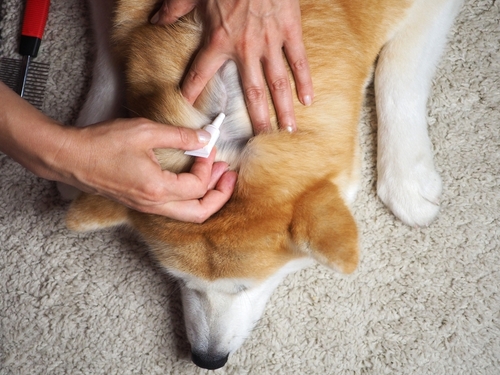
Spot-on treatments are a great way to protect our pets, but we also need to be mindful of our responsibility to the planet. These treatments can sometimes leak and affect the environment, potentially harming wildlife and aquatic life when they seep into lakes or rivers. To help keep the treatment working properly and reduce environmental impact, avoid washing your dog or cat or letting them swim for 3-4 days after application. By being thoughtful about how we use parasite treatments, we’re not only protecting our pets but also doing our part to preserve the environment. Small actions like these can make a big difference in keeping both our pets and our planet safe and healthy.
Keep your pets safe this spring
By taking proactive steps, you can ensure your pet enjoys the warmer months free from itching, discomfort, and disease. A little prevention goes a long way in keeping your pet happy and healthy!