

Summer can be a joyful time filled with sunshine and outdoor fun, but rising temperatures also bring real risks for our animal companions. Heat-related illness, such as heatstroke, dehydration, and heat exhaustion, can affect any pet, but senior pets can be particularly vulnerable due to age-related health changes.
Understanding the risks, recognising the warning signs, and knowing how to prevent these issues can help keep your pet (young or old) safe, cool, and healthy through the warmer months.
Why elderly pets might be more at risk
As pets age, their bodies become less efficient at regulating temperature. Older animals may have chronic health conditions such as heart disease, kidney problems, or respiratory issues that make it harder for them to stay cool. They may also take medications that affect hydration levels or heat tolerance. Mobility limitations can also prevent them from moving to cooler areas or drinking enough water.
Heat-related injuries in pets of all ages
While senior pets are more vulnerable, heat-related injuries can affect any animal, especially those with flat faces (like French Bulldogs or Persian cats), thick coats, or pre-existing health conditions. Even young, energetic dogs can overheat quickly if they’re playing or walking in hot weather.
Common heat-related issues include:
- Heatstroke: A life-threatening condition that occurs when body temperature rises dangerously high which can lead to shock and multi-organ failure.
- Burns on paw pads: From walking on hot pavement or sand.
- Dehydration: Especially common when pets don’t have access to fresh, clean water.
- Sunburn: Light-coloured or short-haired pets are at risk, especially on ears, noses, and bellies.
Signs of heatstroke
Heat-related illness can show up in different ways, and catching the signs early can be lifesaving. Common symptoms include excessive panting, drooling, lethargy, rapid heartbeat, vomiting, disorientation, or even collapse. In cats, signs are often more subtle, such as open-mouth breathing, hiding, or reduced grooming.
In more severe cases, you might also notice unusual bruising or small red or purple spots on the skin, known as petechiae, particularly on the gums, ears, or belly. These can indicate serious complications, such as clotting problems or internal distress.
If you suspect heatstroke, treat it as an emergency. Move your pet to a shaded, cool area immediately, offer small amounts of cool (not ice-cold) water, and contact your veterinarian right away. You can use cool, damp towels and a fan to help lower their temperature gradually. Avoid covering your pet completely or using ice directly, as extreme cooling can be uncomfortable and can actually be counterproductive and may cause the body to constrict blood vessels, slowing down heat loss.
Acting quickly and calmly can make a critical difference in your pet’s recovery.
Simple ways to protect your pet
Whether your pet is a playful pup or a golden oldie, there are practical steps you can take to keep them safe in hot weather:
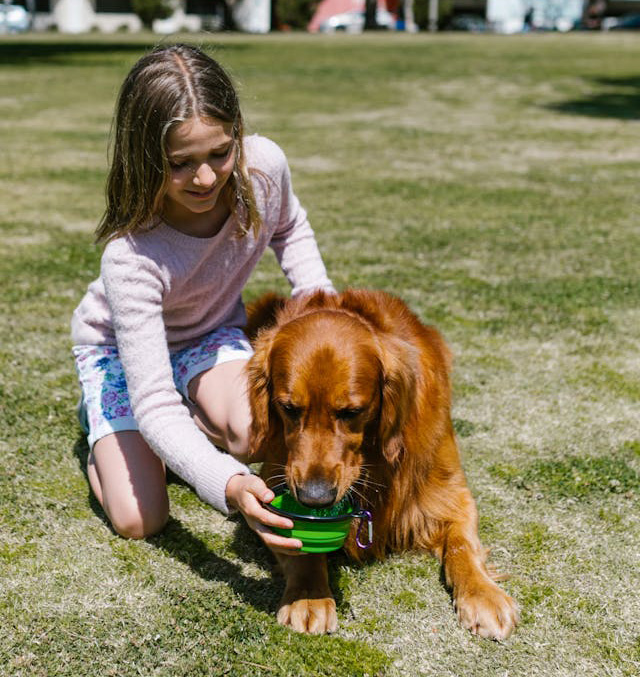
- Always provide access to fresh, cool water. Make sure bowls are clean, shaded, and refilled regularly throughout the day.
- Limit outdoor activity to the cooler times of day. Aim for early mornings or late evenings for walks and play. Avoid the hottest part of the day, usually between 11am and 4pm.
- Protect sensitive paws. Pavements and sand can become extremely hot. Before heading out, test the surface with the back of your hand for five seconds - if it’s too hot for you, it’s too hot for your pet.
- Ensure your pet has access to shade and proper ventilation when outside. A shaded area with good airflow is essential to help them cool down.
- Keep indoor spaces cool. Use fans, air conditioning, or cool, tiled rooms to create a comfortable environment for your pet.
- Never leave your pet in a parked car, even for a short time. Temperatures inside a vehicle can rise to dangerous levels very quickly, even with the windows slightly open.
- Use pet-safe cooling products. Cooling mats, vests, and frozen pet treats can help your pet stay comfortable - just ensure they are designed specifically for animals.
- Take extra care with flat-faced breeds. Pets such as French Bulldogs, British Bulldogs, and Persian cats are more vulnerable to heatstroke due to their reduced ability to regulate body temperature.
Enjoying summer safely
With extra care and awareness, pets of all ages can enjoy the sunny season. For older pets, comfort and caution are especially important , a gentle stroll in the shade or a cosy nap near a fan may be just their speed. For younger animals, avoid overexertion and make cooling part of their routine.
Heat-related illness is preventable. By staying informed and prepared, you can help your pet stay happy, hydrated, and safe all summer long.