

Our pets are experts at hiding discomfort. By the time they show obvious signs of illness, they may have been suffering for quite some time. That’s why it’s so important to keep an eye out for the small, often-overlooked changes – those quiet signals that something might be amiss. Learning to recognise these subtle signs can make all the difference in ensuring your pet’s long-term health and comfort.
Behavioural changes
Has your usually sociable cat started hiding more often? Is your energetic dog now spending most of the day sleeping? A shift in personality or routine behaviour can be an early warning sign that your pet isn’t feeling their best. Look out for:
- Reduced enthusiasm for play or walks
- Changes in sleeping patterns
- New signs of aggression or anxiety
- Clinginess or, conversely, unusual withdrawal
Even slight differences in how your pet interacts with you or their surroundings could be their way of saying something’s wrong.
Subtle physical symptoms: easily missed, deeply important
While some conditions come on suddenly, many develop gradually – and the physical signs can be easy to miss at first. Keep an eye out for:
- Weight changes: both gain and loss can signal health issues
- Dull or patchy coat: often a sign of stress, poor nutrition, or skin disease
- Stiffness or limping: may indicate arthritis, injury, or neurological issues
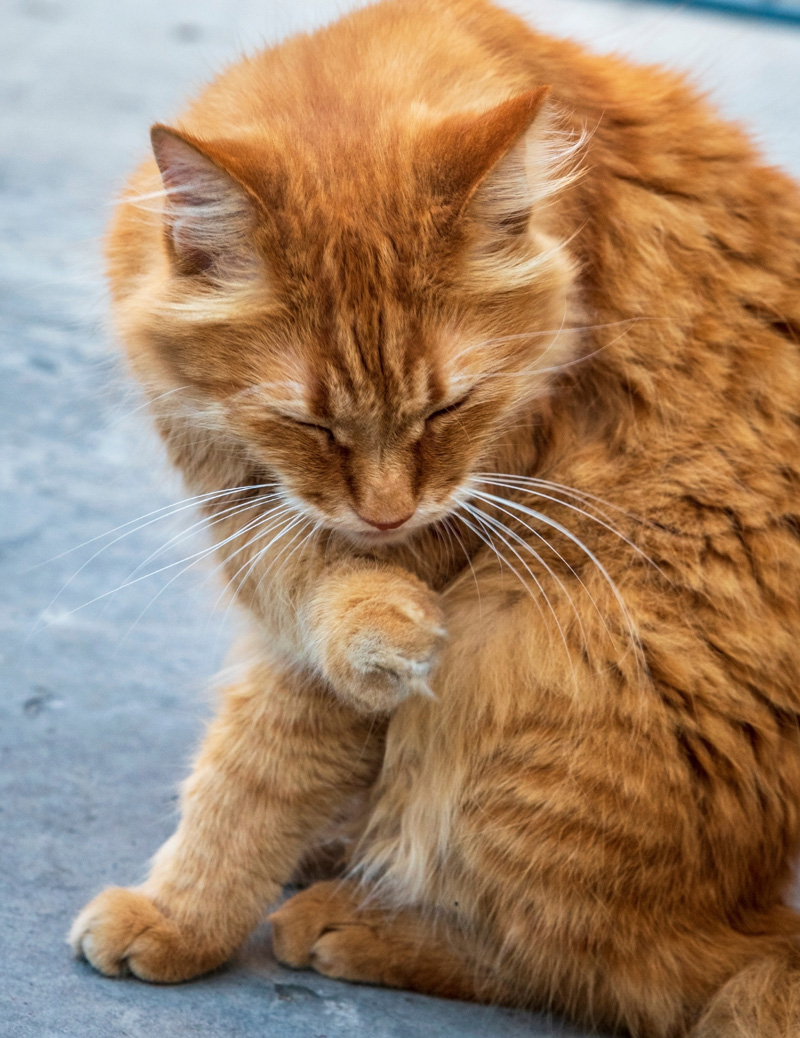
- Changes in grooming: either excessive licking or lack of grooming, especially in cats
- Unpleasant odours: from the ears, mouth, or coat may point to infection or dental problems
Regular checks at home can help you notice small changes before they become big problems.
Subtle signs of joint disease you might overlook
Joint problems, including arthritis, are far more common in pets than many realise – and they often creep in quietly. Cats and dogs rarely show obvious signs of pain until it becomes severe, so the early indicators are often mistaken for “just slowing down” or old age. But there are specific behaviours to look out for that may point to stiffness, discomfort, or reduced mobility.
Signs of joint pain in cats:
Cats are naturally agile and masters at concealing pain, so changes can be especially subtle. Watch for these clues:
- Awkward stair movement – using both back legs together to go upstairs, or tilting their body when coming down
- Stopping halfway – needing to pause while climbing or descending stairs
- Reduced playfulness – no longer chasing toys or moving objects with the same enthusiasm
- Slower movements – walking more cautiously or appearing stiff
- Jumping difficulties – hesitating before leaping onto furniture, or struggling to land securely
- Avoidance – skipping favourite high-up spots they used to reach with ease
If your once-sprightly cat is spending more time on the floor than up on the sofa, it could be more than just a preference.
Signs of joint pain in dogs:
With dogs, symptoms can be more visible, but they’re still easy to overlook — especially because they often happen gradually rather than all at once
- Limping or favouring a leg – particularly after walks or exercise
- Slowing down on walks – lagging behind, especially on longer outings
- Stiffness or difficulty getting up – especially after resting
- Reluctance to jump – avoiding the car, the sofa, or beds they used to leap onto
- Stairs becoming a challenge – slower to climb, or refusing them altogether
- Changes in posture or gait – moving differently or seeming uneasy on their feet
If your dog is less eager to go out or seems “not quite themselves” after activity, it’s worth having them checked over.
Routine and appetite: when little things speak loudly
A pet’s daily habits can reveal a great deal about their health. Have you observed any of the following?
- A sudden drop in appetite, or becoming unusually fussy
- Drinking noticeably more or less water
- Accidents in the house or changes in toilet habits
- Unusual vocalisations, panting, or restlessness
Even a reluctance to get up from a nap might signal discomfort or even early signs of cognitive decline in older pets.

Why routine vet visits matter
Sometimes it’s difficult to know whether a small change is worth worrying about. That’s where routine vet checks can be reassuring. Especially as pets get older or develop long-term conditions, regular health checks can help pick up on underlying issues before they become more serious.
If you’ve noticed something different, even if it seems minor, it’s always worth mentioning it. Often, it’s the little things that provide the biggest clues, and no one knows your pet better than you do.
As pet owners, we’re our animals’ closest observers and biggest advocates. Being attentive to the quiet clues , a change in behaviour, an altered routine, or a subtle physical shift, can lead to earlier diagnosis, more effective treatment, and better quality of life for your furry companion.